Corrective Jaw Surgery Scarborough, ME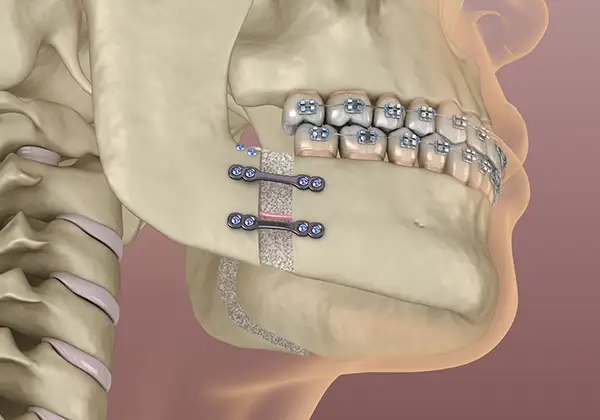 Corrective jaw surgery, also known as orthognathic surgery, repositions the upper jaw, lower jaw, or both to correct structural misalignments that affect how the teeth fit together and how the jaw functions. Corrective jaw surgery, also known as orthognathic surgery, repositions the upper jaw, lower jaw, or both to correct structural misalignments that affect how the teeth fit together and how the jaw functions. This procedure is recommended when growth patterns leave the upper and lower jaw out of proportion with one another, resulting in problems that go beyond what braces or aligners alone can resolve. An oral surgeon typically performs this surgery in coordination with an orthodontist, since tooth movement and jaw repositioning need to work together to achieve a stable, functional result. Patients are often referred to Coastal Maine Oral & Maxillofacial Surgery for evaluation when they experience chronic jaw pain, difficulty chewing, speech difficulties, or a bite that does not close properly. Facial asymmetry, an open bite, or a significant overbite or underbite are also common indications. Because the jaw continues to grow well into the teenage years, corrective jaw surgery is usually performed once skeletal growth is complete, which for most patients falls in the late teens to early twenties, though adults of any age can be candidates. Call (207) 945-7840 to schedule a consultation and discuss whether corrective jaw surgery may be the right fit for your needs. Common Reasons Patients Consider Jaw SurgerySeveral conditions lead patients to consult an oral surgeon about corrective jaw surgery. The most frequent include:
Jaw pain deserves particular attention because it can stem from several different sources, including the temporomandibular joint, surrounding muscles, or the way the teeth and jaw meet when biting down. Our oral surgeon will evaluate the full picture, often using imaging alongside a physical exam, to determine whether the pain is related to joint dysfunction, a structural bite discrepancy, or another cause entirely. Not every case of jaw pain requires surgery, but when the discomfort traces back to a skeletal misalignment, surgical correction may offer more lasting relief than ongoing conservative management. What the Surgical Process InvolvesBefore surgery, patients typically undergo a period of orthodontic treatment to align the teeth within each dental arch. This step prepares the teeth to fit together properly once the jaw is repositioned. Detailed imaging, including three-dimensional scans, allows Dr. Doss to plan the exact movements needed for the upper jaw, lower jaw, or chin, depending on the specific correction required. During the procedure, incisions are made inside the mouth in most cases, which avoids visible external scarring. The jawbone is carefully repositioned and secured with small plates and screws that hold the bone in its new position while it heals. Surgery is performed under general anesthesia, and the length of the procedure depends on the complexity of the case and whether the top or bottom jaw are being treated. Recovery and Healing ExpectationsRecovery from corrective jaw surgery happens in stages. Swelling and discomfort are most noticeable during the first week, and a soft or liquid diet is typically required while the jaw begins to heal. Most patients return to work or school within two to three weeks, though full bone healing takes several months. Follow-up appointments with both the oral surgeon and orthodontist continue throughout this period to monitor healing and fine-tune the bite. Patients often notice improvements in jaw function and a reduction in jaw pain as swelling subsides and healing progresses. Because the surgery is planned around each patient's unique anatomy, results vary, but the goal is consistently the same: a jaw that closes correctly, functions comfortably, and supports long-term oral health. When to Talk to an Oral SurgeonPatients experiencing persistent jaw pain, chewing difficulty, or a bite that feels increasingly uncomfortable should not assume these issues will resolve on their own. An evaluation with our oral surgeon can determine whether corrective jaw surgery is an appropriate option or whether other treatments may address the concern. Early evaluation, especially when paired with orthodontic guidance, often leads to a more predictable and comfortable treatment path. At Coastal Maine Oral & Maxillofacial Surgery, Dr. Doss works closely with patients to assess jaw function, bite alignment, and any related discomfort before recommending a course of treatment. |
