
Dental Implants vs Dentures Scarborough, ME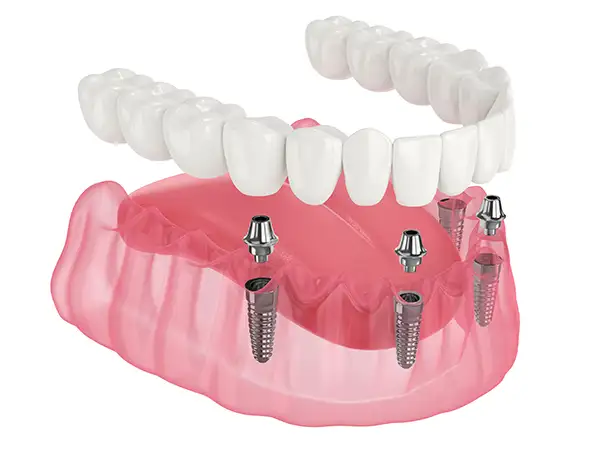 Deciding between dental implants and dentures often comes down to a simple question: which option is realistically the best fit for your mouth, your health, and your goals? Deciding between dental implants and dentures often comes down to a simple question: which option is realistically the best fit for your mouth, your health, and your goals? While both can restore a full, functional smile, they are suited to different circumstances. Dr. Doss evaluates several factors before recommending one path over the other, and understanding these factors ahead of time can help patients at Coastal Maine Oral & Maxillofacial Surgery feel more prepared for that conversation. Assessing Jawbone DensityOne of the first things evaluated when considering implants is the amount and quality of available jawbone. Because implants rely on osseointegration, the process by which bone fuses to the implant surface, there needs to be enough healthy bone to support that integration. Patients who have experienced significant bone loss, often as a result of long-term tooth loss or gum disease, may not have enough bone volume for standard implant placement without additional treatment first. In these cases, procedures such as bone grafting can rebuild lost volume and create a more suitable foundation for implants. This adds time to the overall treatment process, which is an important consideration for patients weighing their options. Dentures, by contrast, do not require a minimum amount of bone to function, since they rest on the gum ridge rather than being anchored into the bone itself, making them accessible to patients regardless of how much bone loss has occurred. For patients who are hesitant about additional surgical steps, this accessibility is often a meaningful advantage worth discussing openly during a consultation. Overall Health And Healing CapacitySince implant placement involves a minor surgical procedure, a patient's overall health and healing capacity play an important role in candidacy. Conditions that affect healing, such as uncontrolled diabetes, certain autoimmune disorders, or a history of radiation therapy to the jaw, may need to be carefully managed or considered before moving forward with implants. Smoking is another significant factor, as it can interfere with healing and reduce the long-term success rate of implants. None of these factors automatically rule out implants, but they do require a thorough discussion with Dr. Doss about how to manage risk and whether additional steps are needed to improve the odds of a successful outcome. Dentures generally involve fewer health-related restrictions, since the process does not require surgery in the same way, making them a more accessible option for patients managing certain medical conditions. Number Of Missing TeethThe number and location of missing teeth also influences which option makes the most sense. Patients missing a single tooth or a few teeth in a row are often excellent candidates for individual implants or an implant-supported bridge. Patients missing most or all of their teeth in an arch may consider a full arch of implant-supported replacement teeth, a traditional complete denture, or an implant-supported overdenture that combines aspects of both approaches.
Timeline And Treatment GoalsCandidacy is not only about biology, it is also about what a patient wants from their treatment timeline. Implants typically require a longer overall process, including healing time after placement before a final restoration can be attached, which can take several months depending on individual healing. Dentures can often be fabricated and delivered on a shorter timeline, which may appeal to patients who want a quicker solution or who are managing tooth loss that needs to be addressed promptly. Patients should also consider whether they want a permanent solution from the outset or whether they are open to starting with dentures and potentially transitioning to implants later, once healing or other circumstances allow. Dr. Doss can help map out a realistic timeline based on individual goals and circumstances. Age Is Rarely The Deciding FactorMany patients assume that age plays a larger role in candidacy than it typically does. In reality, healthy patients well into their senior years can be excellent implant candidates, provided they have adequate bone density and manageable overall health. Younger patients are not automatically better candidates either, particularly if they have experienced significant bone loss from trauma, congenital conditions, or long-standing tooth loss. What matters most is the current condition of the jawbone, gum tissue, and overall health, rather than a number on a birth certificate. A careful, individualized assessment will always provide more useful guidance than general assumptions based on age alone. A Personalized Evaluation Is EssentialBecause candidacy depends on so many individual factors, there is no substitute for a comprehensive evaluation. This typically includes a clinical exam, a review of medical history, and imaging such as X-rays or a CBCT scan to assess bone volume and structure in detail. These tools allow Dr. Doss to provide a recommendation based on your specific mouth, rather than general assumptions about what tends to work for most patients. Patients are also encouraged to share their own priorities during this evaluation, whether that means a strong preference for a fixed restoration, a desire to avoid additional procedures like bone grafting, or a need to move through treatment on a particular schedule. Combining clinical findings with personal goals leads to a recommendation that fits both the mouth and the person. It is also worth asking about intermediate options, since some patients qualify for a mix of approaches, such as implants in areas with strong bone support paired with a partial denture in an area that would otherwise require grafting. Find Out Which Option Fits YouThe only way to know for certain whether you are a candidate for implants, dentures, or a combination approach is through a personalized evaluation. Contact Coastal Maine Oral & Maxillofacial Surgery at (207) 945-7840 to schedule a consultation with Dr. Doss and get clear, individualized answers about the best path forward for your smile. |
