
Implant-Supported Bridge Scarborough, ME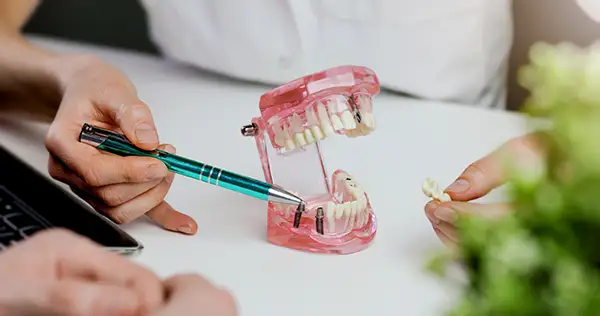 When considering treatment for missing teeth, it is easy to focus primarily on appearance. However, implant-supported bridges at Coastal Maine Oral & Maxillofacial Surgery offer a range of benefits that extend well beyond aesthetics, particularly when it comes to preserving the health of the jawbone and supporting overall oral function. Understanding these deeper benefits can help patients make a more informed decision about their treatment options. When considering treatment for missing teeth, it is easy to focus primarily on appearance. However, implant-supported bridges at Coastal Maine Oral & Maxillofacial Surgery offer a range of benefits that extend well beyond aesthetics, particularly when it comes to preserving the health of the jawbone and supporting overall oral function. Understanding these deeper benefits can help patients make a more informed decision about their treatment options.Why Jawbone Health MattersThe jawbone relies on stimulation from tooth roots to maintain its density and structure. When a tooth is lost, this stimulation disappears, and the surrounding bone gradually begins to resorb, or break down, over time. This process can continue for years if left unaddressed, leading to changes in facial structure, a sunken appearance in the affected area, and potential complications for future dental treatment. This bone loss tends to be more pronounced when multiple adjacent teeth are missing, since a larger area of the jaw lacks the stimulation it once received. How Implants Help Preserve BoneDental implants address this issue directly. Because they are placed within the jawbone itself, they provide ongoing stimulation similar to that of natural tooth roots. This stimulation encourages the bone to maintain its density, helping to prevent the progressive bone loss that often follows tooth loss. This is a key advantage that sets implant bridges apart from restorations that rest solely above the gumline. A traditional bridge, for example, replaces the visible portion of missing teeth but does nothing to address bone loss underneath, since it has no component situated within the bone itself. Supporting Facial StructureBecause the jawbone provides structural support for the lower portion of the face, bone loss following tooth loss can gradually affect facial appearance. Patients missing multiple teeth may notice subtle changes in the shape of their face over time, including a sunken or collapsed appearance around the mouth and jaw. By helping to preserve jawbone density, implant-supported bridges also help maintain facial structure, supporting a fuller, more natural appearance compared to what may occur with bone loss left unaddressed. Restoring Full Chewing FunctionMissing teeth, particularly several in a row, can significantly affect the ability to chew certain foods comfortably. This can lead some patients to unconsciously shift their diet toward softer foods, potentially affecting overall nutrition over time. An implant-supported bridge restores a stable, secure bite that functions closely to natural teeth. Because the restoration is anchored firmly to the implants rather than resting loosely on the gums, patients are typically able to bite and chew with confidence, without concern about movement or shifting during meals. Protecting The Health Of Remaining TeethWhen teeth are missing and left unaddressed, the surrounding natural teeth are affected as well. Neighboring teeth can gradually shift into the empty space, while opposing teeth may begin to over-erupt in the absence of a biting surface. These shifts can lead to misalignment, bite problems, and increased strain on the remaining teeth over time.
By filling the space promptly with an implant bridge, these secondary complications can often be avoided altogether. Supporting Long-Term Oral HealthBeyond the immediate benefits, implant-supported bridges contribute to a healthier oral environment overall. Because the restoration does not rely on altering adjacent natural teeth, those teeth remain intact and easier to maintain through routine hygiene. The stable, fixed nature of the implant bridge also means there is no need for removable components or adhesives, simplifying daily care. Additionally, because implants integrate with the jawbone, they provide a level of long-term stability that supports consistent oral function for many years, provided the restoration is properly maintained through regular hygiene and dental visits. A Foundation For Long-Term WellbeingThe benefits of an implant-supported bridge extend well past the visible improvement to your smile. From preserving jawbone density to protecting the alignment of your remaining teeth, this restoration offers a comprehensive approach to addressing the effects of missing teeth. If you are missing multiple teeth and want to understand how an implant-supported bridge could support both your smile and your long-term oral health, Coastal Maine Oral & Maxillofacial Surgery is ready to help. Contact us at (207) 945-7840 to schedule your consultation today. |
